
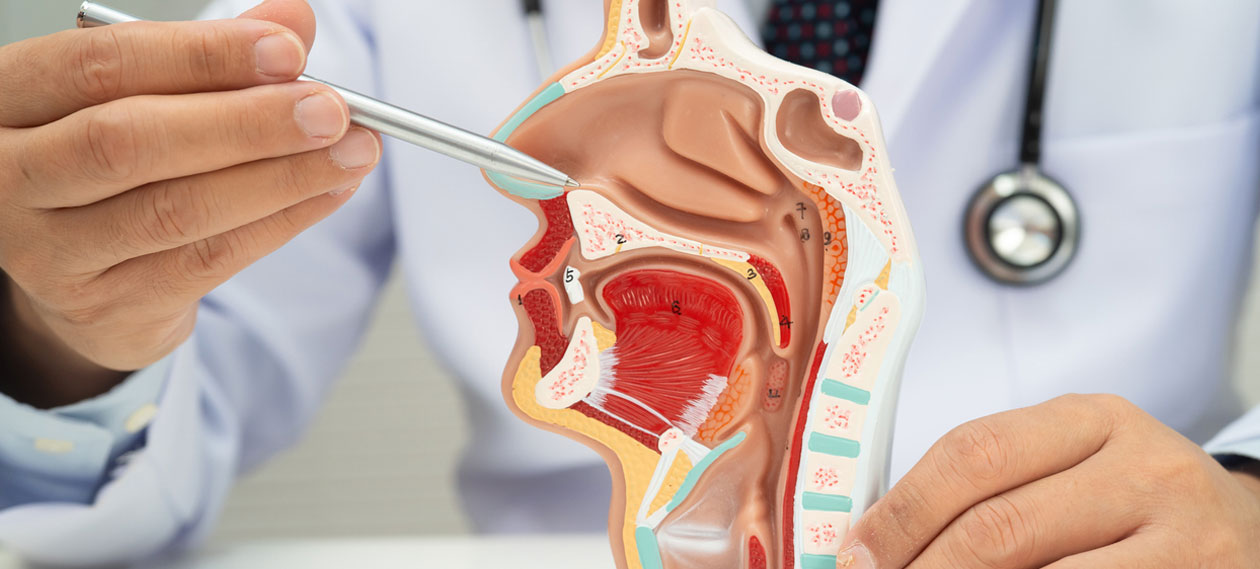
When breathing problems develop, medications are often the first line of treatment. Nasal sprays, antihistamines, decongestants, and allergy therapies can be highly effective for certain conditions. However, not all nasal obstruction is caused by inflammation or allergies. In many cases, the issue is structural, meaning that medication alone may not be enough to provide lasting relief.
Understanding the difference between inflammatory conditions and structural nasal problems is an important step toward finding the most effective treatment.
Not All Nasal Obstruction Is the Same
The sensation of congestion can have many causes. Allergies, infections, and environmental irritants commonly lead to swelling within the nasal passages. These conditions often respond well to medication because the primary problem is inflammation.
Structural issues are different. They involve physical changes within the nose that limit airflow regardless of inflammation levels.
Examples include:
- Deviated septum
- Enlarged turbinates
- Nasal valve collapse
- Prior nasal trauma
- Congenital abnormalities
When these issues are present, medications may provide only partial or temporary improvement.
The Role of the Nasal Septum
One of the most common structural causes of breathing difficulty is a deviated septum.
The septum is the wall that separates the two nasal passages. When it shifts significantly away from the center, one side or both sides of the nose may become partially blocked.
Because this is a physical obstruction rather than an inflammatory/allergic condition, medication cannot reposition the septum. While certain treatments may reduce swelling around the area, the underlying deviation remains unchanged.
Why Symptoms Persist Despite Treatment
Many patients spend years trying different medications before learning that anatomy plays a major role in their symptoms.
Signs that a structural issue may be contributing include:
- Chronic congestion
- One-sided blockage
- Limited response to allergy medications
- Persistent mouth breathing
- Snoring
- Sleep disruption
When symptoms remain despite appropriate medical therapy, further evaluation may be warranted.
Enlarged Turbinates and Airflow Restriction
Turbinates are structures inside the nose that help filter and humidify incoming air. They can become enlarged due to chronic inflammation, allergies, or other factors.
In some patients, enlarged turbinates contribute significantly to nasal obstruction. While medications may reduce swelling temporarily, surgical intervention may be warranted when enlargement becomes chronic or severe.
How Structural Problems Affect Daily Life
Breathing difficulties often impact more than the nose alone.
Restricted airflow can contribute to:
- Poor sleep quality
- Daytime fatigue
- Reduced exercise tolerance
- Frequent sinus symptoms
- Difficulty concentrating
Because these issues develop gradually, many patients do not realize how much chronic obstruction is affecting their quality of life until their breathing improves.
When Surgery Becomes Part of the Solution
Surgical treatment is generally considered when structural problems significantly interfere with airflow and conservative measures have not provided adequate relief.
Depending on the underlying issue, procedures may include:
- Septoplasty
- Turbinate reduction
- Nasal valve repair
- Functional nasal reconstruction
These treatments address the physical source of obstruction rather than simply managing symptoms.
Combining Medical and Surgical Care
Medication and surgery are not competing approaches. In many cases, they work together.
Patients with allergies may still benefit from allergy treatment after surgery. Similarly, surgery may improve airflow while medications help manage inflammation and environmental triggers.
The best treatment plan depends on the specific factors contributing to each patient’s symptoms.
Looking Beyond Temporary Relief
When breathing difficulties persist despite medications, it may be because the problem extends beyond inflammation alone. Structural abnormalities can limit airflow regardless of how many medications are used.
Identifying and addressing these issues can provide more meaningful and lasting improvement. For many patients, treating the anatomy behind the symptoms is the key to finally breathing comfortably again.