
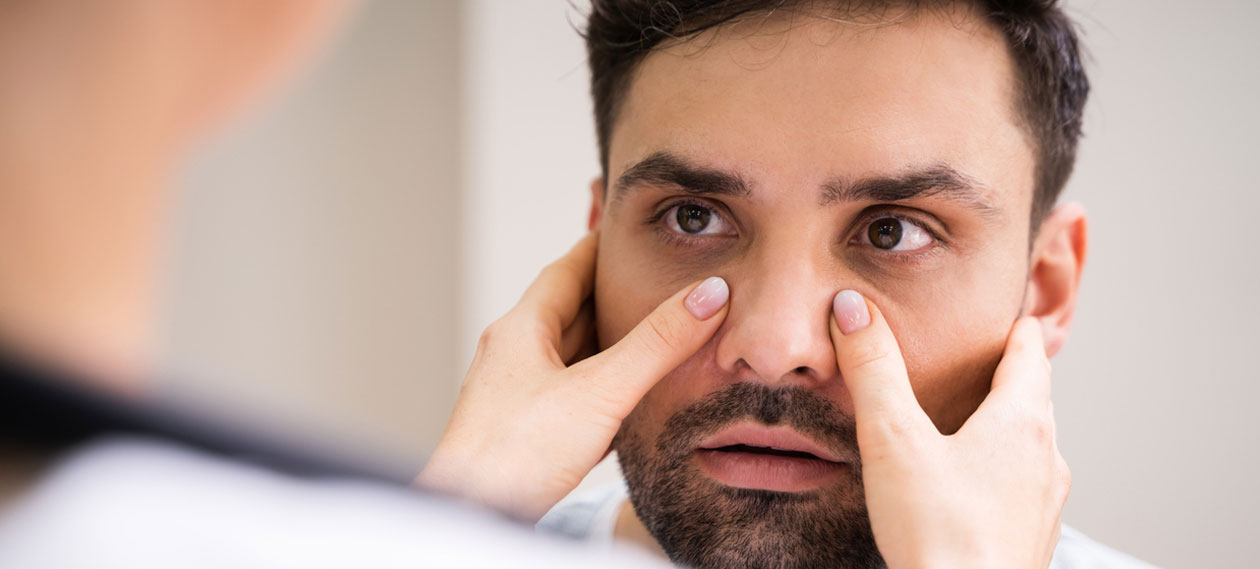
Breathing should feel natural and effortless. When your nasal passages are blocked, every breath takes conscious effort. Many people rely on temporary fixes like nasal sprays or adhesive strips to find relief. However, when the root cause of your congestion is a physical blockage, these quick fixes fall short. A deviated septum is a common structural issue that restricts airflow. Correcting this physical defect through a surgery, septoplasty, may offer a long-term, life-changing solution. This guide walks you through the details of the procedure, the recovery timeline, and the profound benefits of restoring your natural airway.
Understanding Your Nasal Anatomy
Your nose serves as the primary gateway for the oxygen your body needs. Inside your nasal cavity, a wall of cartilage and bone called the septum divides the space into two separate passages. In a normally aligned nose, this wall sits in the center, allowing equal airflow through both nostrils. This design allows your nose to efficiently filter, warm, and humidify the oxygen before it travels down into your lungs.
A deviated septum occurs when this dividing wall shifts or bends to one side. This deviation narrows one or both passages, making it incredibly difficult to pull air into your body. Some people are born with this structural irregularity, while others develop it after a sports injury, accident, or minor facial trauma. Regardless of how the deviation occurred, the physical result remains the same: a narrowing of the airway that forces your respiratory system to work much harder than it should.
Recognizing the Signs of a Structural Blockage
Identifying a deviated septum is the first step toward finding lasting relief. Because the symptoms often overlap with common allergies or temporary colds, the underlying structural issue frequently goes unnoticed for a long time. Paying attention to your specific breathing patterns helps you determine if your anatomy is causing your discomfort.
Watch for these common indicators of a deviated septum:
- Chronic congestion that consistently feels worse on one side of your nose.
- Frequent nosebleeds triggered by dry air through an abnormal passage.
- Persistent facial pain or pressure centered around your eyes and cheeks.
- Loud snoring or disrupted breathing cycles while you sleep.
- A reliance on mouth breathing, especially during physical activity or rest.
- Frequent sinus infections that do not respond well to standard medical treatments.
The Hidden Impact on Your Daily Health
Living with a restricted airway affects far more than just your nose. Your entire body relies on a steady, effortless supply of oxygen to function optimally. When nasal breathing is obstructed, you naturally default to mouth breathing to compensate. While this keeps you oxygenated, it completely bypasses your body’s natural filtration and humidification systems.
This continuous struggle takes a significant toll on your physical well-being. Mouth breathing frequently leads to severe dry mouth, which increases your risk for dental issues, gum irritation, and chronic bad breath. It also leaves your throat feeling raw and scratchy every morning.
The inability to breathe naturally creates a persistent sense of fatigue that follows you throughout the day. It makes concentrating on work, enjoying social interactions, or staying productive surprisingly difficult. Your heart and lungs work overtime just to maintain basic oxygen levels, leaving you with little energy for the activities you love.
What Septoplasty Actually Does
Septoplasty is a highly effective, functional surgical procedure designed specifically to straighten the nasal septum and clear your airway. Unlike cosmetic rhinoplasty, which changes the external appearance of the nose, septoplasty focuses entirely on the internal architecture. The goal is purely functional: restoring proper alignment to give you back your ability to breathe freely.
By targeting the exact source of the obstruction, the surgery eliminates the need for daily decongestants and temporary breathing aids. Sometimes, surgeons perform septoplasty alongside turbinate reduction. Turbinates are small tubular structures inside the nose that clean and humidify the air, but they can become enlarged and block the airway. Addressing both the septum and the turbinates ensures the most open, efficient airway possible.
The procedure is precise, exceptionally safe, and typically performed on an outpatient basis. Because surgeons work entirely inside the nasal cavity, the surgery leaves no visible external scars. You retain your natural facial appearance while drastically improving how your body functions on the inside.
A Step-by-Step Look at the Surgical Process
Knowing exactly what happens in the operating room helps alleviate anxiety and builds confidence in your decision. The procedure generally takes about 60-90 minutes, depending on the severity of the deviation. Your surgical team approaches the operation with a precise plan tailored to your specific internal anatomy.
Review this clear breakdown of the surgical timeline:
- Your dedicated anesthesia team administers medications to ensure you remain completely comfortable and asleep during the operation.
- The surgeon makes small, precise incisions entirely inside the nasal cavity to access the cartilage and bone of the septum.
- The delicate mucous membrane covering the septum is gently lifted away to expose the underlying structure.
- Deviated portions of the bone and cartilage are carefully reshaped, repositioned, or removed to create a straight, open passage.
- The mucous membrane is laid back down over the newly aligned septum and secured with fine, dissolvable stitches.
- Soft internal splints are temporarily secured inside the nose to support the healing tissues and stabilize the new structure.
Navigating the Recovery Timeline
Healing from septoplasty requires some patience, rest, and a commitment to following your post-operative instructions. The recovery process is generally highly manageable. Most people return to work or their normal daily routines within a few days. While the initial days involve mild bleeding and congestion, the long-term payoff is entirely worth the brief period of discomfort.
During the first few days, your nose will feel stuffy, similar to having a severe cold. This happens because the internal tissues swell in response to the surgery. As the week progresses, this swelling steadily decreases. Your surgical care team provides detailed instructions to protect your healing nose and maximize your comfort. Adhering closely to these guidelines ensures the best possibility for a smooth recovery.
Support your healing process by adopting these daily habits:
- Rest quietly with your head elevated on several pillows to minimize internal swelling and promote healthy drainage.
- Avoid blowing your nose for 2-3 weeks, opting to gently dab away any drainage with a soft tissue instead.
- Use saline nasal sprays exactly as directed by your surgeon to keep the internal nasal passages clean and comfortably moist.
- Refrain from strenuous workouts, heavy lifting, or bending forward to prevent unwanted spikes in your blood pressure.
- Wear button-down or loose fitting shirts to avoid pulling clothing tightly over your sensitive healing nose – No turtleneck sweaters.
- Attend all scheduled follow-up visits so your surgeon can monitor your progress and safely remove your protective splints.
Enjoying the Long-Term Benefits of Clear Airflow
Once the initial swelling subsides and the splints are removed, the true benefits of the procedure become apparent. The most profound, immediate change is when the cold air hits the back of your nose like never before. You may also experience a dramatic improvement in your sleep quality. By opening the nasal airways, septoplasty allows you to breathe quietly and continuously through your nose all night long. You transition smoothly through the deep, restorative phases of sleep without constantly waking up to adjust your breathing.
Beyond sleep, an open airway transforms your active lifestyle. Cardiovascular exercise demands a high volume of oxygen to keep your muscles moving efficiently. An open nasal airway allows you to breathe deeply and rhythmically during physical exertion. This efficient, steady oxygen delivery supports your cardiovascular system and naturally increases your physical stamina. You no longer feel prematurely winded or panicked for air during a workout.
Additionally, a straightened septum promotes proper sinus drainage. This drastically reduces the frequency of painful sinus infections and debilitating facial pressure. When your body can effectively clear out allergens and mucus, your immune system functions much more smoothly.