
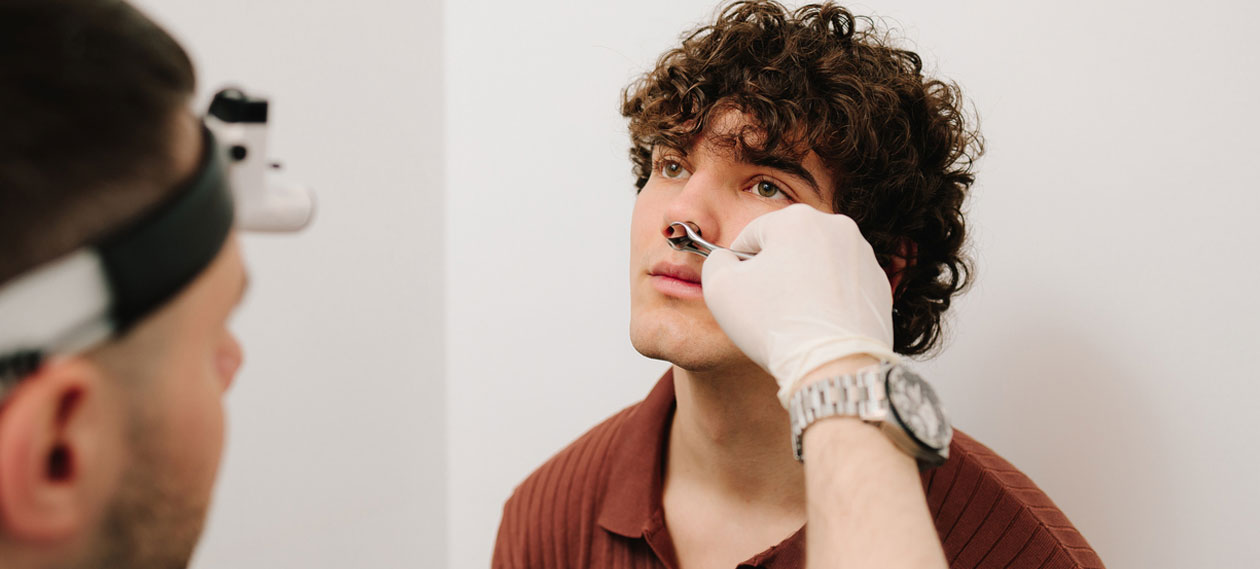
For people living with chronic sinus problems, surgery can sound intimidating. Many patients imagine a complex procedure or lengthy recovery period and are unsure whether treatment is truly necessary. In reality, sinus surgery is very different from what many people expect.
Advances in technology and surgical techniques have made sinus procedures more precise, less invasive, and more effective at restoring normal sinus function. Understanding how sinus surgery works can help patients make informed decisions about their care.
Why Sinus Problems Develop
Healthy sinuses rely on open drainage pathways that allow mucus and air to move freely. When those pathways become blocked, pressure, congestion, and infection can occur.
Common causes of chronic sinus problems include:
- Persistent inflammation
- Nasal polyps
- Structural abnormalities
- Recurrent infections
- Deviated septum
- Narrow drainage passages
When these issues prevent normal sinus function, symptoms may continue despite medical treatment.
What Is Sinus Surgery?
Sinus surgery refers to a group of procedures designed to improve sinus drainage and restore normal airflow.
Most modern procedures are performed using endoscopic techniques. This means small specialized instruments and small cameras are inserted through the nostrils, eliminating the need for external incisions.
The goal is to improve the natural function of the sinuses rather than dramatically altering anatomy.
Conditions Commonly Treated
Sinus surgery may be recommended for patients experiencing:
- Chronic sinusitis
- Recurrent sinus infections
- Nasal polyps
- Structural blockage
- Persistent facial pressure
- Ongoing congestion
Treatment recommendations are based on symptoms, physical examination findings, and imaging studies.
What Happens During Surgery?
Every procedure is tailored to the patient’s specific anatomy and needs. Depending on the situation, surgery may involve:
- Enlarging blocked drainage pathways
- Removing obstructive tissue
- Addressing nasal polyps
- Improving airflow
- Correcting structural abnormalities
The exact approach varies based on the source of the problem.
Recovery Expectations
Most patients are surprised to learn that recovery is often more manageable than anticipated.
Some congestion, mild discomfort, and minimal bleeding are common during the healing process. Follow-up visits help ensure that healing progresses appropriately and that the sinuses remain open.
Recovery timelines vary, but many patients gradually notice improvement over a few short weeks following surgery.
Benefits of Modern Sinus Surgery
Patients often pursue surgery because they want relief from chronic symptoms that interfere with daily life.
Potential benefits may include:
- Improved breathing
- Reduced sinus pressure
- Fewer infections
- Better sleep quality
- Enhanced sense of smell
- Less dependence on medication
Results vary from person to person, but many individuals experience meaningful improvements in quality of life.
Surgery Is Not Always the First Step
It is important to understand that sinus surgery is generally recommended only after appropriate conservative medical treatments have been explored.
Many patients benefit from medications, allergy management, saline irrigation, or other therapies before surgery becomes necessary.
The decision to proceed is based on the severity of symptoms and the likelihood that surgery will address the underlying problem.
Restoring Normal Function
The primary purpose of sinus surgery is not simply to eliminate symptoms. It is to restore normal sinus function so that airflow and drainage can occur more naturally.
For patients whose symptoms persist despite medical treatment, surgery may provide a pathway toward long-term improvement and a better quality of life.